The Psychology of the Phantom Room: Mastering Safe Online Hotel Booking
Imagine arriving at a sun-bleached Mediterranean resort after a grueling flight. You drag your heavy luggage to the front desk. Then, the receptionist blinks blankly at your confirmation email. They tell you that your reservation does not exist. Furthermore, you learn that a ghost website collected your money three weeks ago. That sinking feeling is a nightmare experienced by thousands of travelers annually. When people look for actionable tips on safe online hotel booking, they expect a boring checklist. Usually, guides just tell them to look for a small padlock icon in their browser bar.
However, digital travel fraud is far more sophisticated today. Scammers no longer build crude, misspelled websites. Instead, they hack legitimate property management systems. Moreover, they clone aggregator pages with pixel-perfect precision. Sometimes, they manipulate customer service chat windows. Consequently, they intercept your credit card data when your guard drops.
To achieve a safe online hotel booking, you must understand how digital trickery operates. It is no longer just about software security. Crucially, it involves recognizing behavioral red flags. Additionally, you must know how financial institutions protect your digital footprint.
Why Standard Cybersecurity Advice Falls Short
Let us clear up a major misconception right away. Many travelers assume that if a booking portal uses HTTPS, their transaction is automatically safe.
This is dangerously false. Having an encrypted connection simply means data traveling between your device and the server is scrambled. However, it says nothing about the entity on the receiving end. Therefore, you cannot know if they are an honest hotelier or a cyber syndicate. The secret to executing a genuinely safe online hotel booking lies deeper. Specifically, you must examine the payment rail, the domain history, and the communication channel.
Anatomy of a Booking Scam: How Phishing Has Evolved
To defend yourself against modern travel fraud, you need to examine specific cybercriminal vectors.
1. The Hacked Property Management System (PMS)
One of the most insidious scams today does not involve fake websites. Instead, it involves compromised legitimate properties. Hackers routinely breach independent hotels or rental property software.
-
How It Works: First, you book a legitimate room through a trusted aggregator. Later, you receive a polite email through the platform app. The message states that your credit card verification failed. Furthermore, it demands that you re-enter payment details via an external link. If you fail, it threatens cancellation. Naturally, the link leads to a mirror site.
-
The Reality Check: Hotels almost never ask you to re-verify primary payment credentials through an unverified third-party chat link. If you receive such a message, step away immediately. Instead, call the front desk directly using a verified phone number from independent directories.
2. Domain Mimicry and Aggregator Clones
Scammers routinely purchase typosquatted domains. These web addresses look almost identical to major booking giants like Booking.com. However, they differ by a single transposed letter.
-
What Makes It Different: These clone sites lure victims in with massive discounts. They often advertise rates that are forty percent off peak-season prices.
-
Actionable Tip: Always type booking URLs directly into your browser. Alternatively, use verified mobile applications from official app stores. Never click sponsored search engine ads. Malicious actors frequently exploit those ads to push fraudulent mirror sites to the top.
Practical Protocols for Secure Reservations
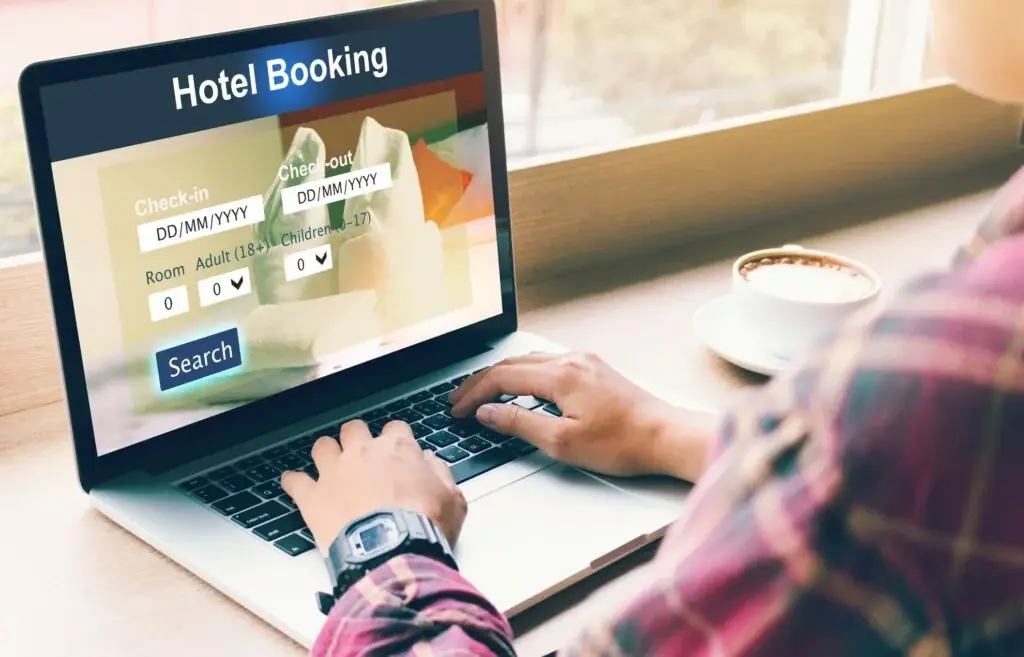
Securing your digital transactions requires building personal friction into your booking workflow. Speed is a scammer’s best friend. Consequently, slowing down becomes your best defense.
Leveraging Virtual Credit Cards and Burner Tokens
One of the most effective technical steps for a safe online hotel booking is utilizing modern financial technology.
-
Virtual Cards: Many modern digital banks allow you to generate single-use virtual credit card numbers. These numbers feature custom spending limits and strict expiration dates. If a compromised hotel database leaks your token, cybercriminals cannot drain your bank account. That is because the token expires immediately after the initial transaction.
-
Chargeback Protections: Always fund your travel bookings with a credit card. Avoid direct debit cards or wire transfers. Credit cards carry robust consumer protection laws. As a result, you gain legal leverage to dispute unauthorized charges if a travel provider turns out to be fraudulent.
Direct Verification Channels
Before clicking the final confirmation button, run a quick background check on the property.
-
Pro-Tip: Cross-reference the hotel’s physical address across multiple map directories. If the listed phone number routes to an international VOIP line, abandon the booking immediately. True independent boutique hotels always maintain a verifiable local footprint.
Navigating Customer Support and Post-Booking Safety
Your security obligations do not end the moment you receive a confirmation code. Maintaining vigilance throughout your trip lifecycle remains vital.
-
Secure Your Confirmation Data: Never post screenshots of your booking barcode or reservation number on public social media. Scammers can use publicly available metadata to impersonate you. Then, they might alter your reservation.
-
Monitor Your Bank Statements: Set up instant push notifications for every transaction. Catching an unauthorized authorization hold within minutes allows you to freeze your card.
-
Trust Your Gut: If a checkout process feels chaotic or demands payment via cryptocurrency, close the browser window. Legitimate hospitality providers rely on standardized, secure merchant acquirers.
Ultimately, mastering safe online hotel booking is about replacing blind trust with verification habits. By recognizing psychological tricks and utilizing modern financial safeguards like virtual cards, you reclaim your peace of mind. Therefore, you can focus on what truly matters: enjoying your journey.